Why Brake Dust Destroys Wheels and How to Actually Remove It


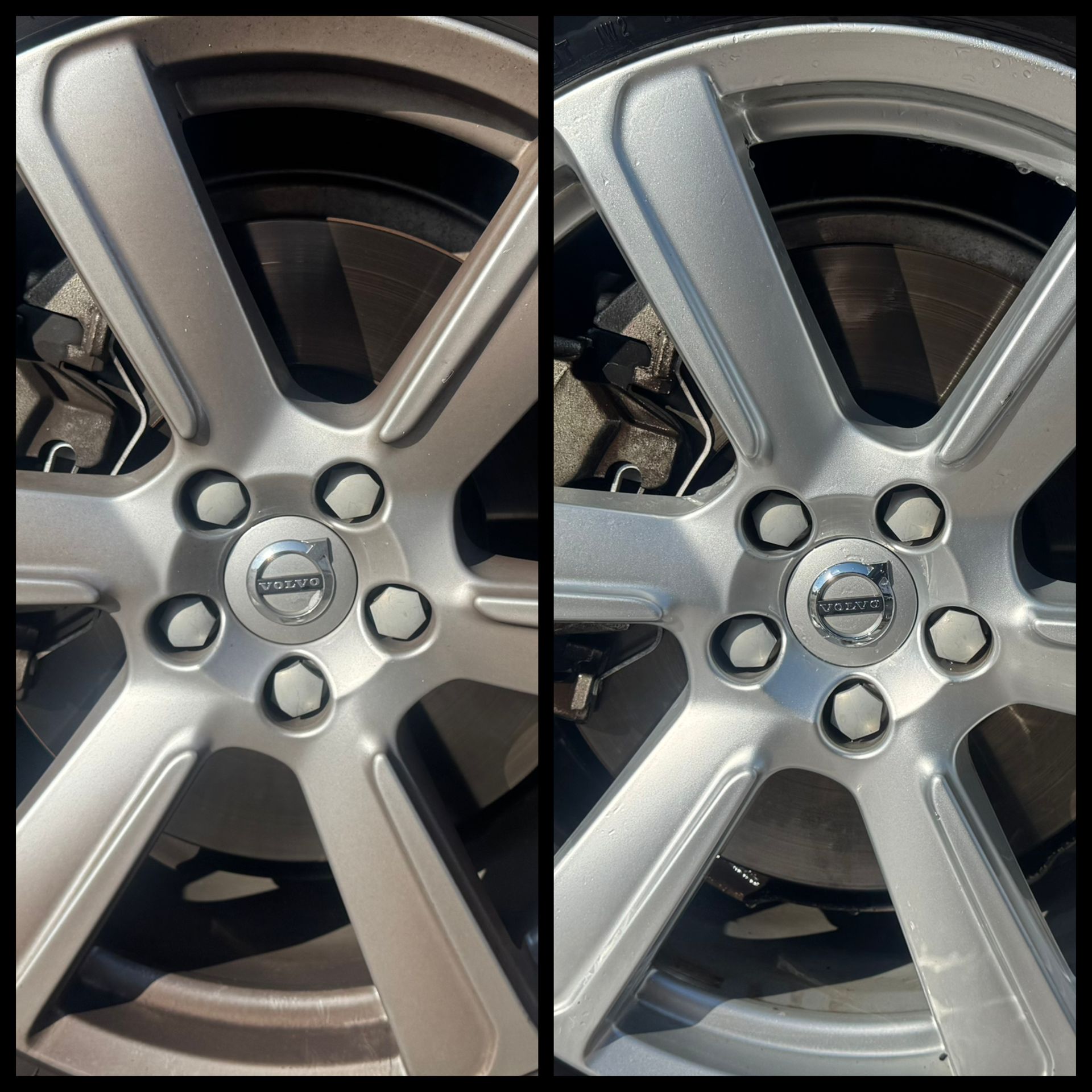
Wheels are the part of a car that gets washed the most and cleaned the least. Most people spray them off with the same soap they use on the paint and consider it handled.
The problem is that what accumulates on wheels is not really dirt, and soap was never going to remove it.
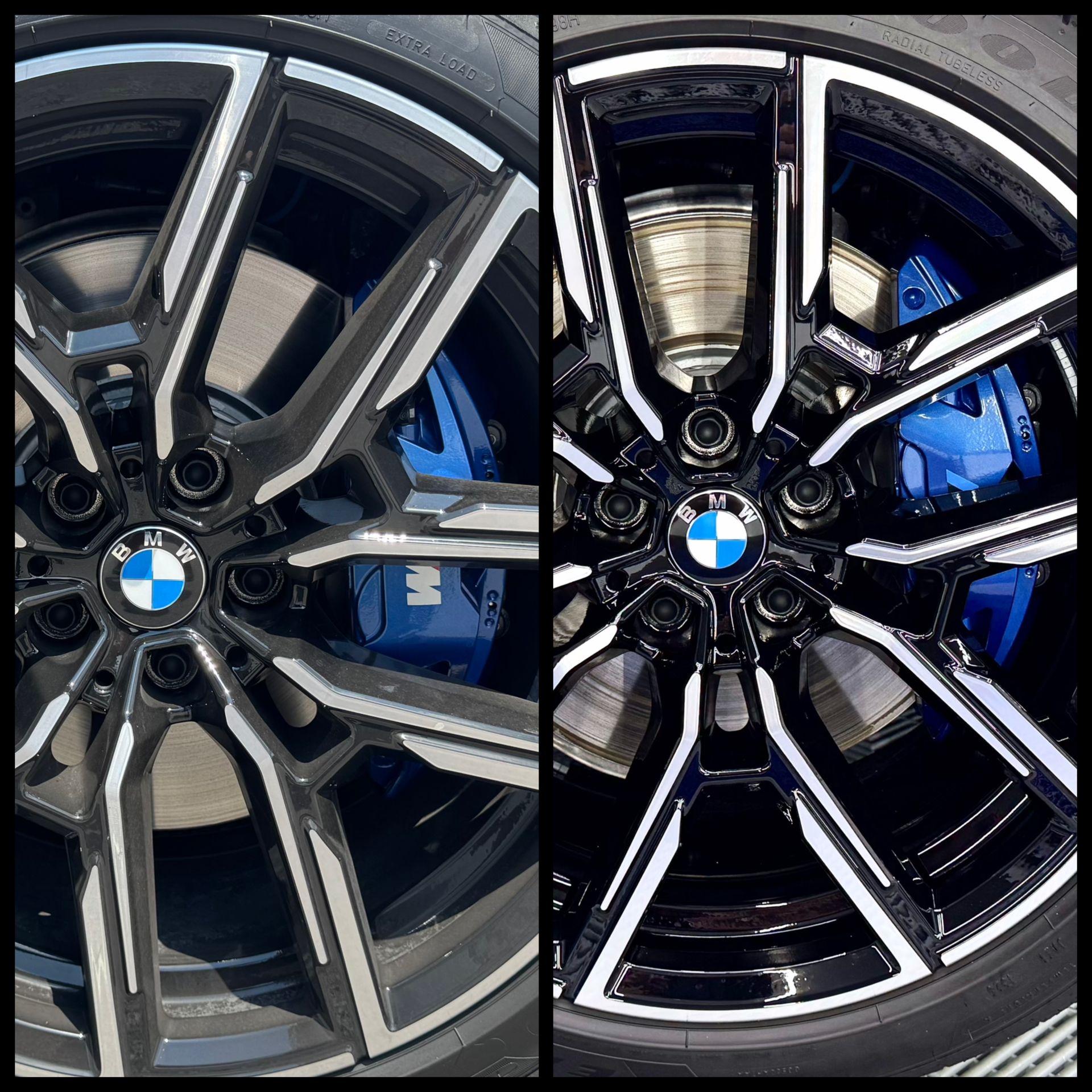
What brake dust actually is
Brake dust is roughly 92 percent iron. When you brake, the pads press against the rotor and both surfaces shed material — metallic particles, carbon fiber, and adhesive residue, thrown outward under heat and pressure.
Two things make it destructive rather than merely dirty. It arrives hot, and hot particles embed into the wheel finish rather than resting on it. And iron oxidizes, so once embedded it begins corroding from within the finish outward.
That is why wheels can look washed and still feel rough. The roughness you feel is embedded iron.
Why soap does not touch it
Car soap is a surfactant. It lifts loose contamination so water can carry it away, and it does that job well.
Embedded iron is not loose. It has physically bonded into the clear coat over your wheel finish. Surfactants cannot break that bond. You could wash a wheel every day for a year and the embedded iron would still be there, still oxidizing.
What it does over time
The progression is predictable and slow enough that most owners miss it until it is advanced.
First, small orange or brown specks appear, most visible on silver and polished wheels. Then the finish loses its shine and takes on a dull cast that washing does not restore. Then pitting begins as corrosion works into the clear coat. Eventually the clear coat fails and the finish underneath is exposed.
Wheels are expensive. A single alloy wheel commonly runs several hundred dollars to replace, and refinishing is not much cheaper. It is one of the more costly forms of neglect on a vehicle, and it happens to a component people assume is durable because it is metal.
What actually removes it
Dedicated iron remover. These products contain a chemical that reacts specifically with iron particles, dissolving them so they rinse away. The reaction is visible — the product turns purple or red as it works, which is the chemical bonding with the iron. That color change is your confirmation there was iron there.
Iron remover is the single most important product for wheel care and most people have never used it.
Correct process: work on cool wheels out of direct sun. Rinse loose debris first. Apply iron remover and let it dwell — do not let it dry. Agitate with wheel-safe brushes, including a long brush for the barrel where most dust accumulates and nobody looks. Rinse thoroughly. Follow with wheel cleaner if needed, then dry.
What not to do: acid-based cleaners will strip the finish on many wheel types. Stiff brushes scratch. Cleaning hot wheels causes product to dry on the surface and stain. And using the same wash mitt on wheels and paint transfers brake dust directly onto your clear coat, which is how iron contamination ends up in paint too.
How often
For a daily driven vehicle, every two to three weeks. Heavy city driving with constant stop-and-go generates more brake dust and pushes that closer to weekly.
The interval matters because embedded iron gets harder to remove the longer it sits and oxidizes. Regular removal is straightforward. Removing three years of accumulation is a considerably bigger job.
Wheel coatings
A ceramic coating formulated for wheels is worth considering, and arguably makes more sense on wheels than on paint.
The coating creates a barrier that keeps brake dust from embedding directly into the wheel finish. Dust still lands, but it sits on the coating and rinses away far more easily. Wheels also run hot, and wheel-specific coatings are formulated for that.
The practical benefit is that wheel cleaning drops from a scrubbing job to a rinse.
Different wheel types, different rules
Clear-coated alloy, the most common, tolerates pH-neutral products and iron remover well.
Polished aluminum has no clear coat and is easily stained by aggressive chemicals.
Chrome can pit if harsh cleaners sit too long.
Matte and satin finishes need matte-safe products, same as matte paint.
If you are unsure what your wheels are, err toward pH-neutral and test in an inconspicuous spot first.
If your wheels feel rough after a wash, that roughness is embedded iron — and it is actively corroding the finish.
Wheels are the single most expensive component people neglect, and the damage is almost entirely preventable with the right product on a reasonable schedule.
Big Dog Detail provides mobile wheel decontamination and full detailing throughout Greater Chattanooga. If your wheels feel rough after a wash, that roughness is iron, and it is actively corroding.