How Often Should You Detail Your Car in Chattanooga?


.png)
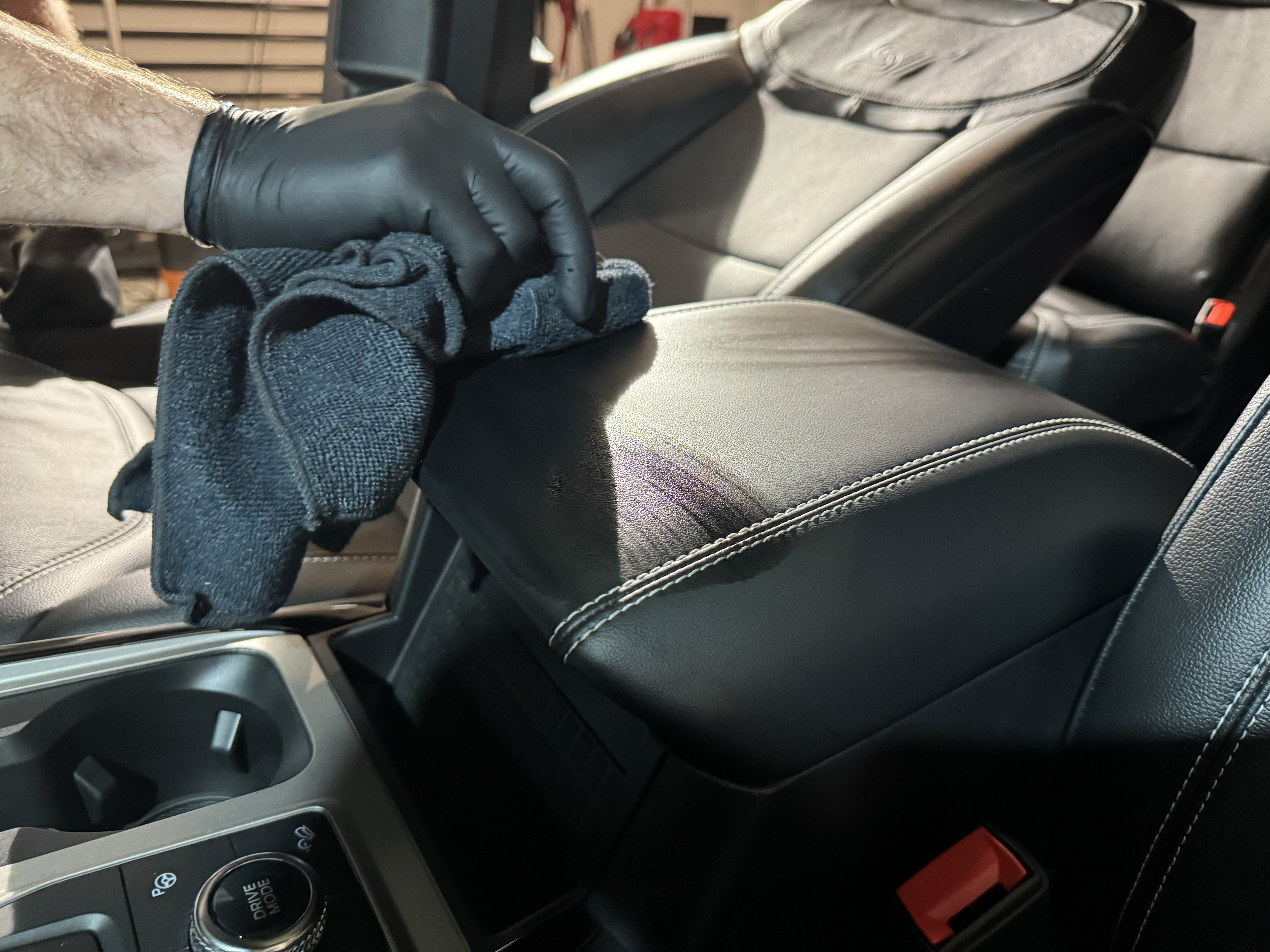
The advice you find online about how often to detail your car is written for the average American climate. Chattanooga is not the average American climate. Humidity here sits between 75 and 80 percent year round, and that single fact changes the math on almost every maintenance interval you have been told to follow.
This is a practical guide to how often your vehicle actually needs attention in this region, and why the answer is different here than it would be in Denver or Phoenix.
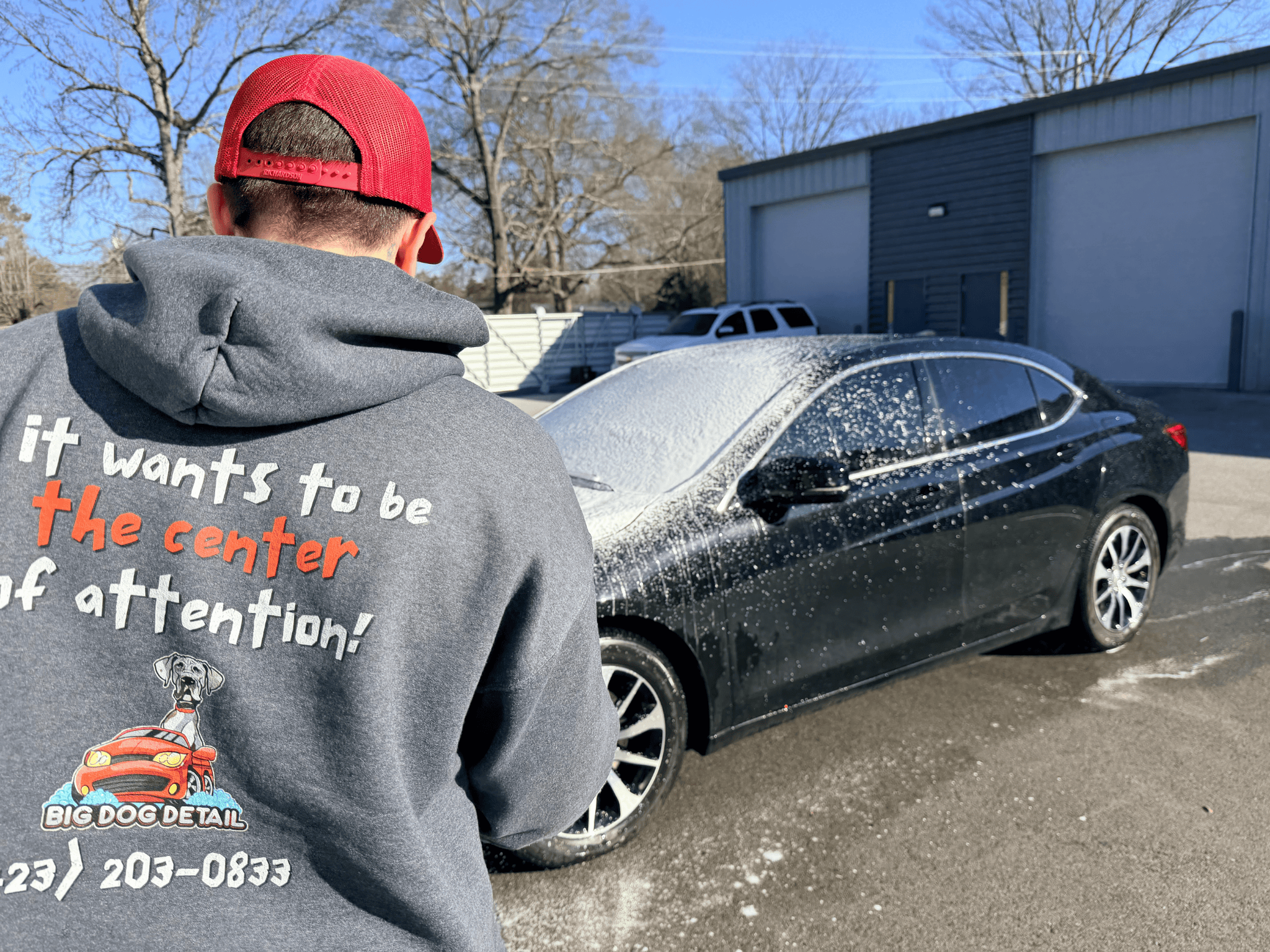
Why Chattanooga is harder on vehicles than most places
Three things about this region work against your car at the same time.
Humidity. At 75 to 80 percent year round, moisture never fully leaves. On the exterior, that accelerates oxidation, the process where UV and moisture break down your clear coat and leave paint looking chalky and faded. Inside the cabin, it means anything wet stays wet. Spilled drinks, damp floor mats, and moisture left behind by a careless cleaning do not dry the way they would in a drier climate. That is the single most common origin of mold in a vehicle interior.
Summer UV. May through September brings sustained sun that fades paint, cracks dashboards, and dries out leather. UV damage is cumulative and it does not reverse. Every month of unprotected exposure is permanent.
Spring pollen. Chattanooga pollen seasons are heavy enough that a cabin air filter loads up faster here than the manufacturer interval assumes. Pollen on paint is not just cosmetic either. It contains natural compounds that can etch into clear coat if it sits through a rain cycle and bakes in the sun.
Exterior: every three to four months
For a daily driven vehicle in this area, a full exterior detail every three to four months is the interval that actually keeps ahead of damage.
What that service does is remove bonded contamination, which is the part most people misunderstand. A car wash removes loose dirt sitting on the surface. Detailing removes what has chemically bonded to your paint: road film, iron particles from brake dust, tree sap, and industrial fallout. Run your hand across your hood after a wash. If it feels gritty rather than glass smooth, that is bonded contamination, and no amount of soap removes it.
That contamination is what dulls a finish over time and gives oxidation a foothold.
Wheels: every two to three weeks
Wheels need attention far more often than the rest of the car, and the reason is chemistry rather than appearance.
Brake dust is roughly 92 percent iron. It is not dirt sitting on the surface, it is metallic particulate that embeds into the wheel finish, oxidizes, and corrodes from the surface down. Standard car soap does not remove it, which is why wheels can look washed and still feel rough.
Removing it requires a dedicated iron remover that chemically dissolves the particles so they rinse away without abrasion. For daily driven vehicles in this area, every two to three weeks is realistic. Heavy city driving pushes that closer to weekly.
Interior: every three to four months, monthly with pets
Interior intervals are where the humidity argument matters most.
A vacuum removes what sits on the surface. It does not remove what has worked down into carpet backing and upholstery foam, where body oils and organic residue accumulate. In a dry climate that buildup is mostly a cosmetic issue. Here, combined with 75 to 80 percent humidity, it becomes a moisture and odor problem, and eventually a mold problem.
Pet owners need a shorter interval. Pet hair does not sit on top of fabric. Static charge pulls it down into the weave where it anchors, which is why a car can look vacuumed and still have hair in it a week later. Dander stays in the fabric after the visible hair is gone and recirculates every time the climate system runs. Monthly is the realistic interval for a vehicle that regularly carries a dog.
Cabin air filter: annually, or sooner
Most manufacturers specify replacement every 15,000 to 25,000 miles or roughly once a year. In Chattanooga, plan on the shorter end.
The filter sits behind your glove box and catches pollen, dust, exhaust particulate, and mold spores before they reach your vents. When it loads up, three things happen: airflow drops noticeably, the system starts to smell musty, and your blower motor works harder than it was designed to. If your air conditioning does not blow the way it used to, check this before assuming the system is failing.
Ceramic coating changes the schedule
A ceramic coating bonds chemically to your clear coat rather than sitting on top of it the way wax does, which is why durability is measured in years instead of months. It provides real resistance to UV oxidation, bird droppings, tree sap, and chemical etching, and the hydrophobic surface means water beads and carries contamination away as it rolls off.
Two things worth knowing before you commit. First, paint correction has to come first, because a coating locks in whatever imperfections are present when it is applied. Second, coating is not invincibility. Rock chips still happen, and water spots still form if you let a wet car air dry, because the minerals in the water remain after evaporation regardless of what is under them.
What a coating does change is maintenance. Washing gets easier, contamination has a harder time bonding, and the interval between corrective work stretches out considerably.
What happens if you wait
The failure mode here is not dramatic. Nothing breaks. Paint gradually loses depth until one day you notice the car looks tired. Leather stiffens before it cracks, and once it has cracked no product restores it. Interiors develop a musty smell that no air freshener resolves because the source is moisture in the padding.
All of it is gradual, which is exactly why it gets missed. You are looking at the car every day, so you do not see the change.
A realistic schedule for this region
- Every two to three weeks: wheels and brake dust removal
- Every three to four months: full exterior detail and full interior detail
- Monthly: interior work if you regularly carry pets
- Annually or sooner: cabin air filter replacement
- As needed: paint correction, then ceramic coating for long-term protection
Paint damage and interior contamination are far cheaper to prevent than to fix — and in this climate, they progress faster than most owners expect.
None of this is about keeping a car showroom perfect. It is about the fact that paint damage and interior contamination are far cheaper to prevent than to fix, and in this climate they progress faster than most owners expect.
If it has been more than four months since your vehicle had real attention, it is probably overdue. Big Dog Detail provides mobile detailing and ceramic coating throughout Greater Chattanooga, which means the work happens in your driveway rather than costing you half a day at a shop.